If there’s one thing publicly traded restaurant chains love as much as a crispy chicken LTO, it’s a turnaround plan. No matter the problem — be it same-store sales dips and traffic declines or core consumer pullback and stale marketing — legacy brands are committing to sweeping overhauls to right the ship.
Some brands say they are returning to historical identities, while others are reinventing the flywheel. Beyond buzzy marketing terms, though, the real progress is coming from increasing capital expenditure, closing underperforming units and developing new menu items — including those ubiquitous crispy chicken platforms.
Here’s how 10 publicly traded brands are approaching efforts to recover from the structural shifts and pricing problems of the last half decade.
Chipotle
The leading brand in the Mexican fast casual space announced a transformation plan in February meant to overcome significant weakness with the chain’s core consumers. The “Recipe for Growth” is based on five key strategies.
Among the most important is Chipotle’s decision to increase the number of protein limited-time offers it deploys from two per year to four, which will give it more opportunities to juice traffic numbers with novelty and drive check growth with premium options.
At the same time, the fast casual giant is speeding up the deployment of its improved equipment package — new grills, three pan-rice cookers, high capacity fryers — that will support efforts to speed up back-of-house operations. Chipotle had installed the package in roughly 350 restaurants at the time of its February earnings call, and will roll it out at about 1,650 additional restaurants in 2026.
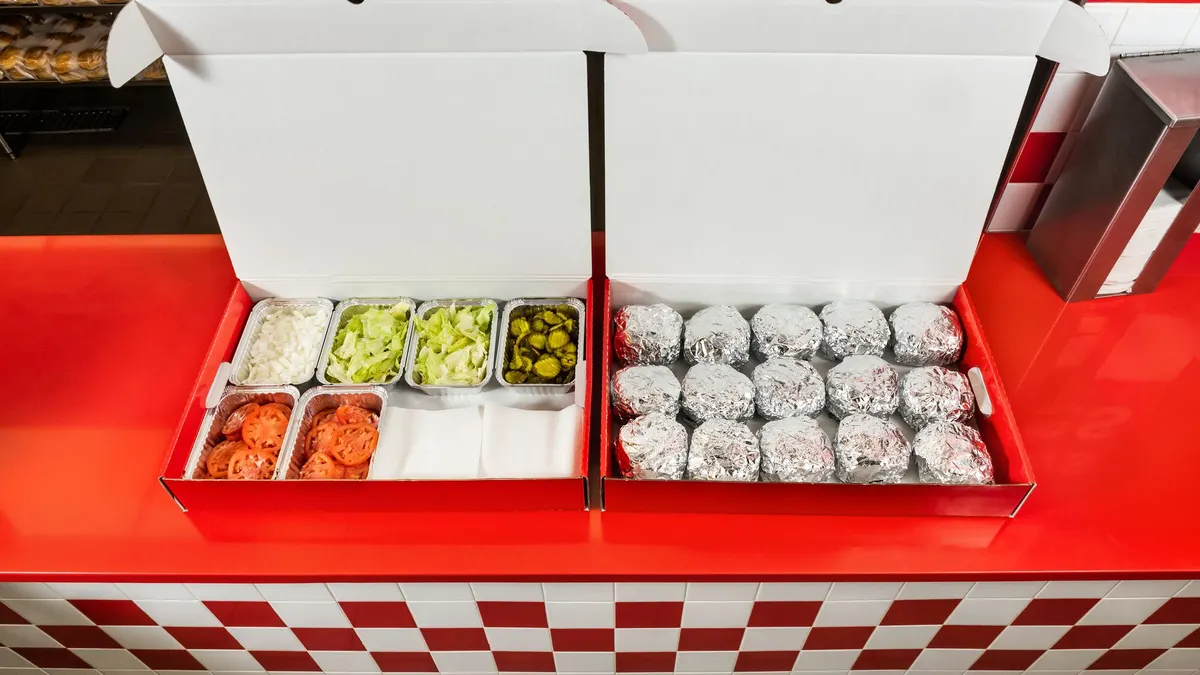
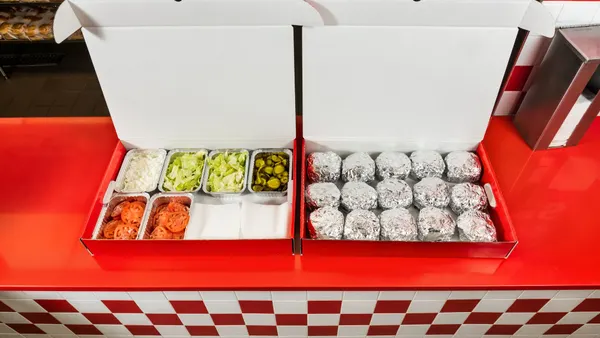
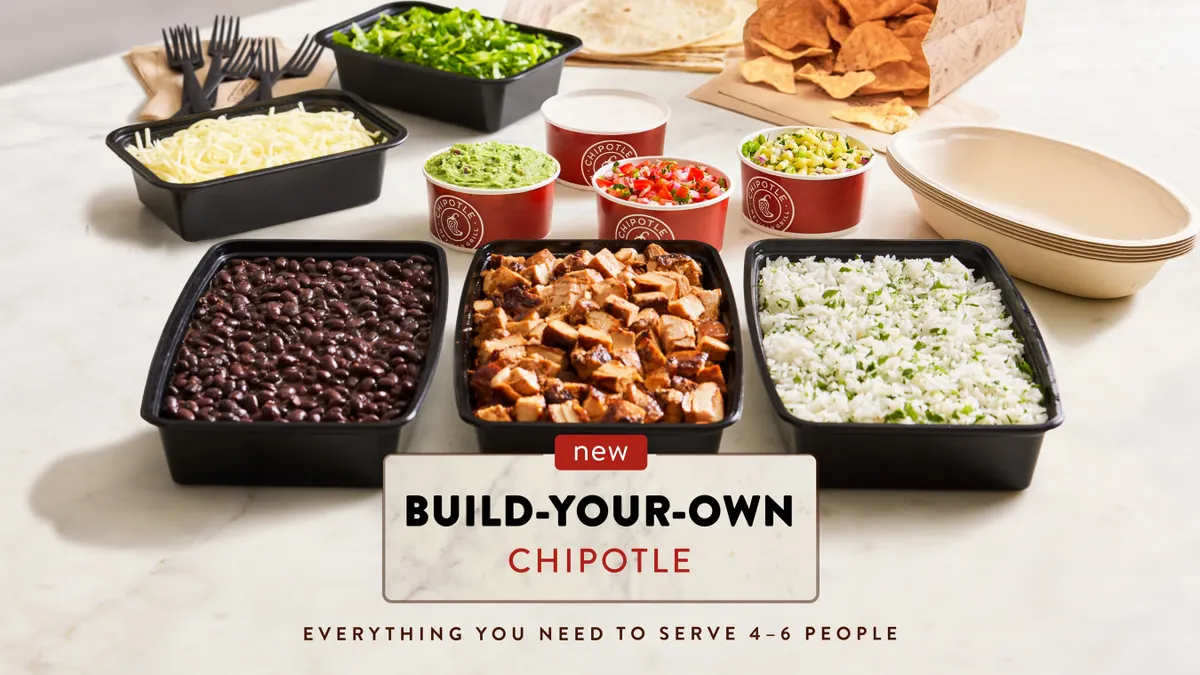
Chipotle is also looking for ways to bring in high-ticket orders, with a new Build-Your-Own-Chipotle online order for families and catering, which the equipment package will better support. CEO Scott Boatwright predicted catering would become an important sales driver on the chain’s most recent earnings call.
“These two group occasions represent less than 3% of combined sales, yet could be double-digit percentage of sales longer term,” Boatwright said.
Jack in the Box
Technically, Jack in the Box is undertaking two separate turnaround plans: Jack on Track, focused on strengthening its balance sheet, and Jack’s Way, which is more concerned with store-level performance.
So is Jack on track? Maybe — some parts of the turnaround schemes have worked out. Del Taco has been amputated and cauterized, a process that resulted in a $115 million infusion for Jack. Closures of underperforming Jack stores have driven sales lifts at nearby locations of about 30%, Chief Financial Officer Dawn Hooper said on Jack’s most recent earnings call. But the pace of closures is lagging expectations, Hooper said, and total debt for the brand stands at $1.6 billion, with a 6.5-to-1 debt-to-EBITDA ratio.
And which way is Jack heading? Not clear. Comparable sales dropped 6.7% in the most recent quarter, but this was a slight moderation for the brand. Of greater interest is a plan to improve the curb appeal of restaurants with a slew of low-cost cosmetic changes: repainted parking lot stripes, better landscaping, and other minor changes. CEO Lance Tucker said such changes — stop-gap measures in advance of a more thorough reimaging program — would only cost about $10,000 to $20,000 per store.
Twenty stores have made such changes, per the earnings call, resulting in modest single-digit sales lifts.
Burger King
The Reclaim the Flame program is in full swing at Burger King, and seems to be going well, though it has taken years for success and momentum to build. Motivated by post-pandemic traffic troubles and spate of franchisee bankruptcies, the chain reworked its marketing, embarked on an ambitious program of remodels and ultimately acquired its largest franchisees with an eye toward breaking it up.
Now, Burger King’s remodeled stores and more aggressive marketing helped put the brand to 2.6% same-store sales growth in Q4, its third-consecutive quarter of such growth. The remodeling and refranchising of Carrols’ restaurant base could also help improve sales.
“Remodels continue to deliver compelling uplifts in the teens, net of control, reinforcing our confidence in the program, and we will continue to make steady progress alongside our franchisees,” said Restaurant Brands International CEO Joshua Kobza on the company’s latest earnings call.
The chain’s franchisees have agreed to an extension of its elevated marketing rate, which has helped fund its messaging. The brand is updating its marketing strategy with two new agencies of record, and will look to capitalize on the virality of its response to McDonald’s Big Arch marketing. In a new ad campaign, Burger King apologized for its “creepy” King mascot and re-centered consumer desires.
Starbucks
The Back to Starbucks Plan implemented by Brian Niccol is only the latest in a line of post-pandemic revival schemes. But after 18 months of Niccol’s leadership, it seems the chain is finally stabilizing: Traffic from both rewards and non-rewards members grew for the first time in four years in fiscal Q1.
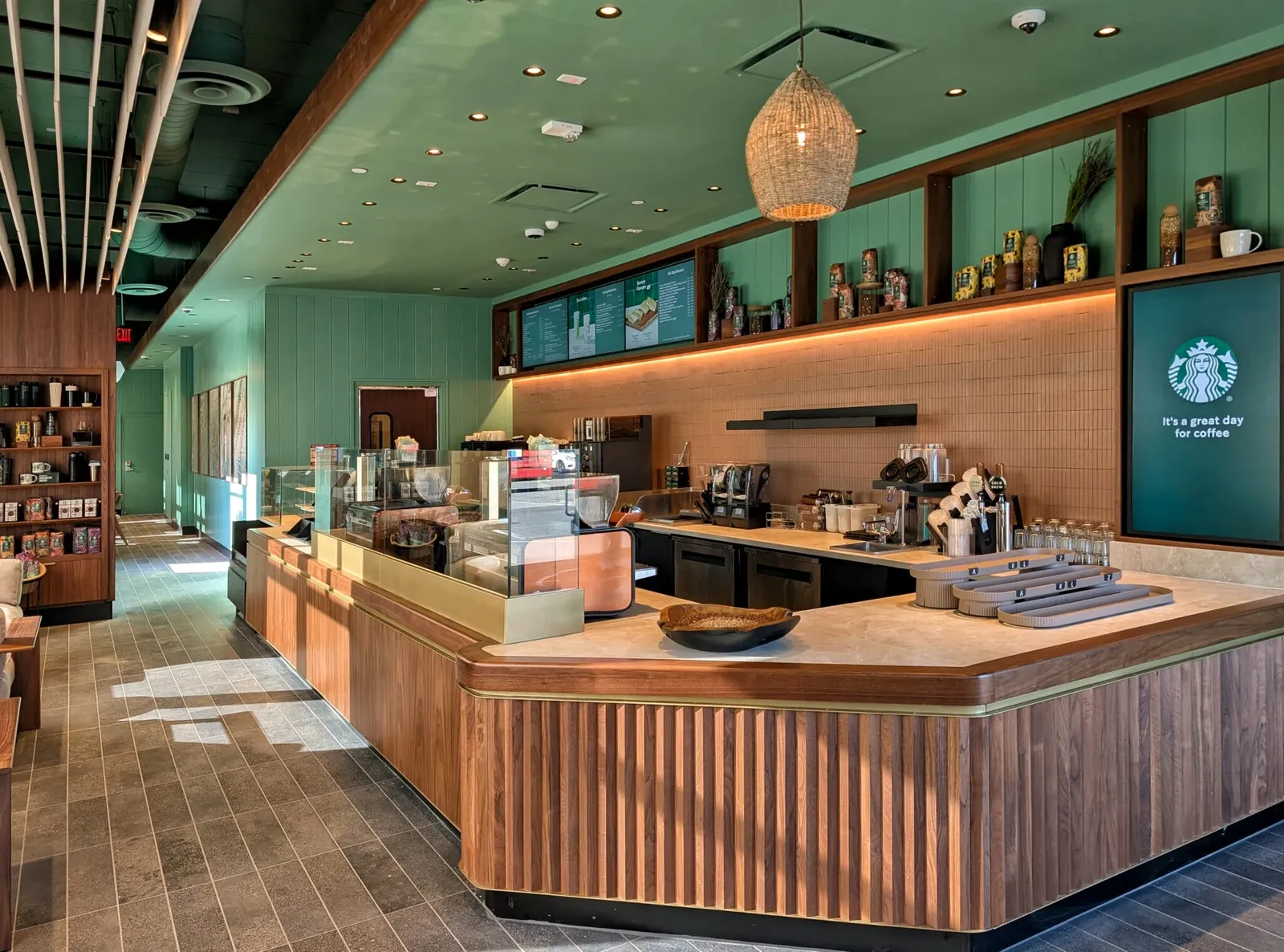
The factors driving the stabilization are complex and interlocking. The chain has invested in hourly labor and in new products, but also cut many SKUs. At the end of September, with little warning, the chain closed 400 stores and cut 900 corporate roles, which likely shifted sales to nearby, higher-performing locations. It’s also spending upwards of $150 million to remodel 1,000 stores and shift to an experiential, on-premise strategy.
On the marketing front, Starbucks has invested in reviving its premium position, backing away from discounting through its rewards program and advertising as a coffee-forward brand during the Super Bowl.
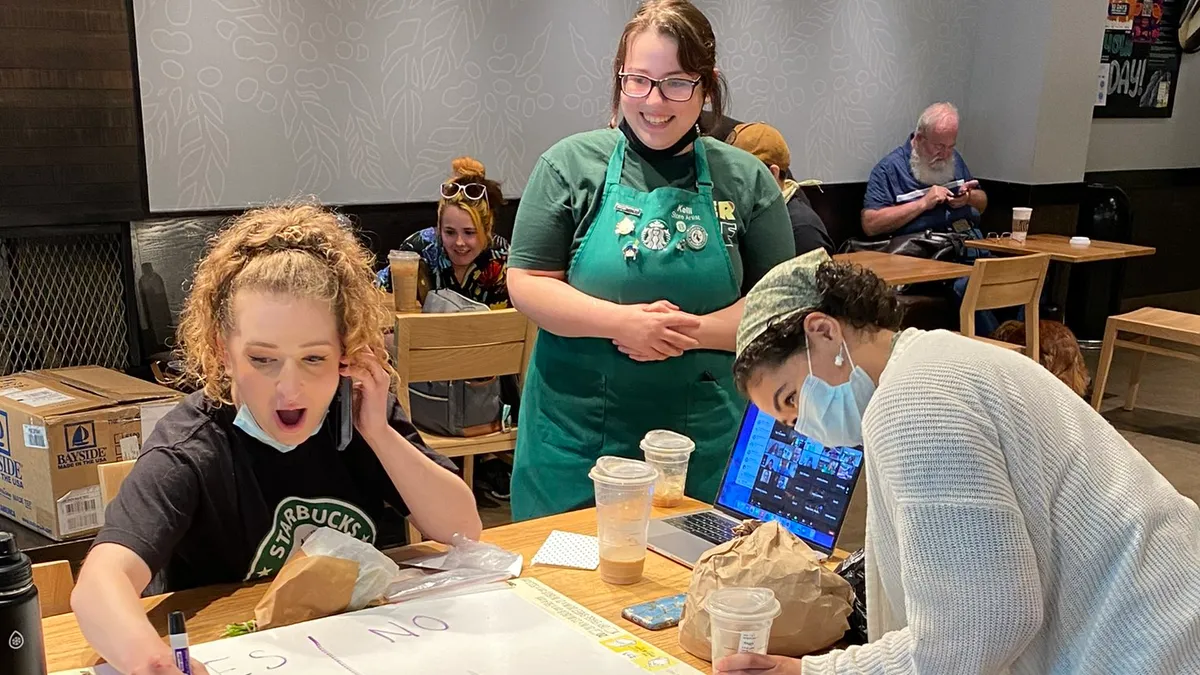
But it’s still early days for the turnaround, and many factors could derail it — from labor unrest to the ecological pressures driving up the cost of coffee beans.
Wendy’s
Wendy’s launched its “Project Fresh” turnaround plan in October 2025, after years of executive turmoil and lackluster sales performance.
It’s too early to tell if the project is working, but the chain’s problems have only mounted. Its same-store sales declines worsened from 4.7% in Q3 2025 to a heartburn-inducing 11.3% in Q4.
Project Fresh is meant primarily to improve unit economics; like many chains in similar straits, Wendy’s is closing underperforming stores. But the brand has made other moves too, loosening the requirements on breakfast hours after demand shifts in some markets. Franchisees, the company said, can focus on more successful dayparts, like lunch and late night.
Sweetgreen
The fast casual salad brand has suffered worse than other fast casual chains from weakness with core consumers, resulting in four consecutive, worsening quarters of year-over-year sales declines.
The brand announced a turnaround plan, dubbed “Sweet Growth Transformation Plan,” in November, after it eliminated a number of corporate positions and its Ripple Fries over the summer in an effort to reduce costs and simplify operations. The plan is intended to prioritize operational excellence, brand positioning, menu innovation, digital touchpoints and disciplined investment.
On the operations front, Sweetgreen has introduced an operations scorecard and improved its control of operations. In February, William Blair analyst Sharon Zackfia wrote that the brand’s stores have seen improvements in operations scores. This could make it easier to get other parts of the turnaround going, as Sweetgreen aims to introduce wraps nationally, following tests in several markets. And the chain is also rethinking its pricing architecture following continued weakness with its core consumers.
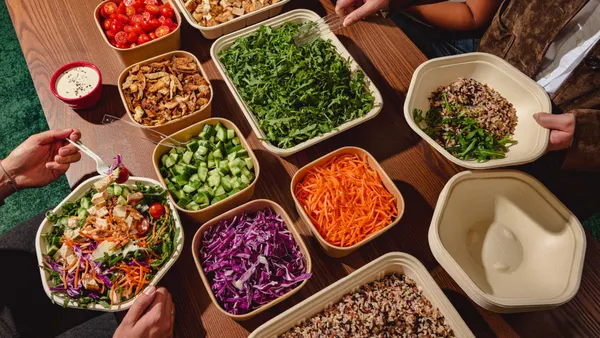
Like Chipotle, Sweetgreen hopes catering will help it out of the sales hole. In February, the brand launched a new build-you-own format for its catering orders, meant to scale from medium-sized to extremely large orders.
Outback
Bloomin’ Brands’ turnaround plan for Outback Steakhouse is gaining traction more than a year after the company said it would slow growth to prioritize spending on the brand’s revival. Closures of underperforming units have also helped reconcentrate sales and improve the system’s overall health.
In February, Outback announced the turnaround effort resulted in its first traffic growth since 2021. Key to that performance has been a major investment in steak quality. Forthcoming elements of the turnaround include greater labor deployment during key hours, increased marketing spend and a plan to update about half the chain’s store base.
The brand is also looking for cost savings, primarily in the form of vendor renegotiation and efforts to boost back-of-house productivity. These changes position Outback to draw in consumers looking for experiential casual dining, CEO Michael Spanos said on Bloomin’s most recent earnings call.
Papa Johns
Papa Johns’ years of poor performance relative to pizza category leader Domino’s have pushed the chain into a turnaround plan.
As with others on this list, there are familiar elements: Hundreds of upcoming closures, the elimination of incremental but operationally burdensome menu items and corporate layoffs. But Papa Johns is making moves related to its core products, as well.
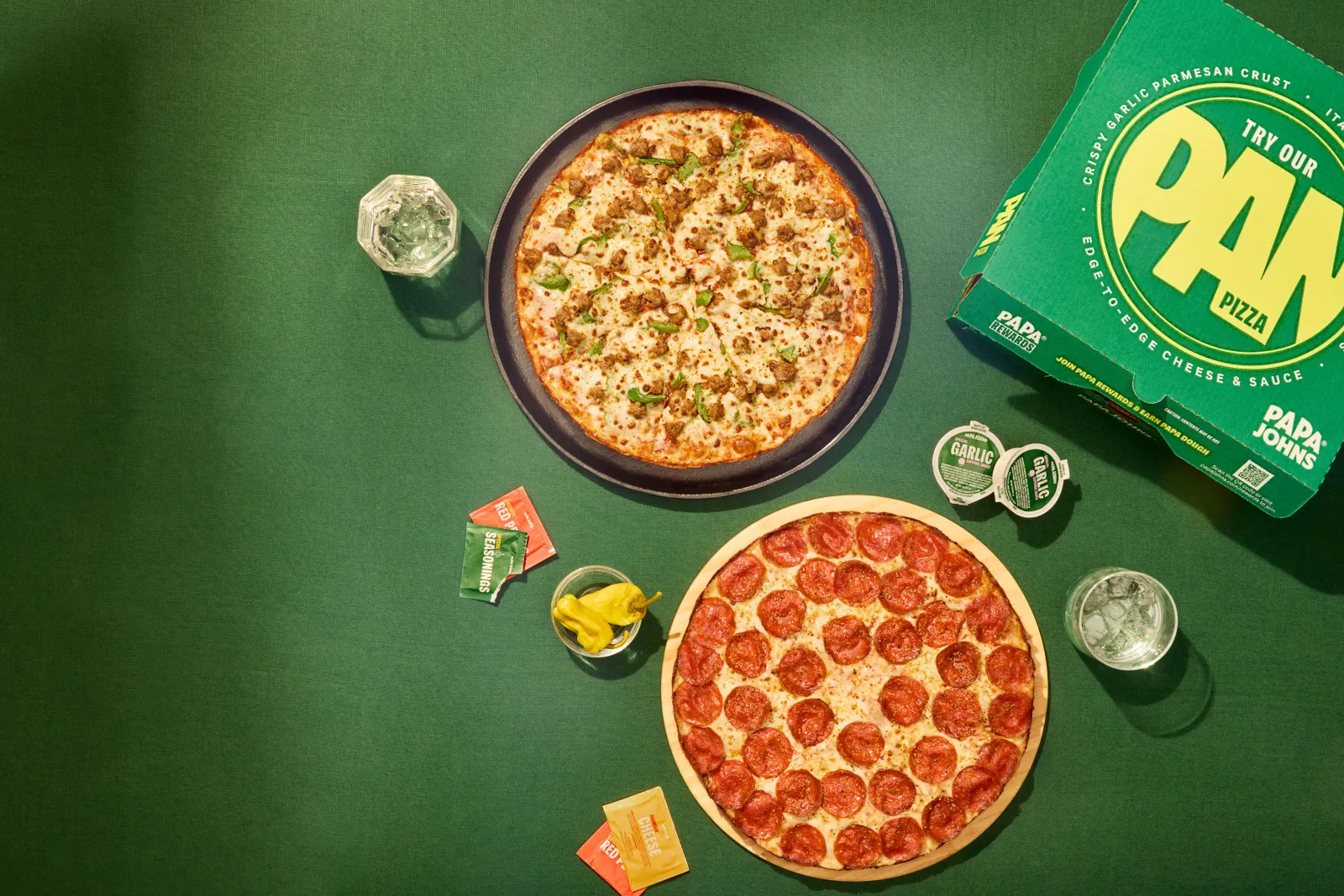
In January, the chain launched a Pan Pizza positioned to make its brand positioning a touch more premium. Operationally, Papa Johns worked “to recalibrate our ovens, adjust baked temperatures and optimize bake times, [which] has made our expanded innovation pipeline possible and has improved product quality and consistency,” CEO Todd Penegor said on the pizza giant’s latest earnings call.
Papa Johns hit one of Penegor’s preferred benchmarks in the most recent quarter — the total number of pizzas sold increased. In December 2024, Penegor explicitly named a focus on the number of pies sold as a major priority that would help re-establish the brand as a pizza player.
But trade down toward smaller, non-specialty pizza meant the chain’s same-store sales still declined in the most recent quarter.
Noodles & Company
Noodles & Company suffered from sales slides earlier than other fast casual brands, with a run of losses beginning in 2023. Late that year, the brand brought on Drew Madsen as CEO to replace Dave Boennighausen, and in 2025 the brand hired Joe Christina as COO and later promoted him to the top post when Madsen left.
Under Madsen and Christina, the brand took significant steps to stop its decline with a major menu overhaul starting in 2024, and closed scores of underperforming units over the last two years. The chain also added a price point value menu — the Delicious Duos — at the end of July, offering a protein bowl and side for $9.95.
Those moves have helped the brand return to same-store sales growth, with an impressive 7% comps leap for company-operated stores in the most recent quarter, according to preliminary earnings.
On a November earnings call, CEO Joe Christina said the Delicious Duos have played a significant role in traffic gains and sales recovery.
The Duos “filled the void of value that we have with our guests. We're mixing around 4% to 5% depending on the restaurants,” Christina said. “We see that kind of halo effect of the Delicious Duos with our guests, and we continue to get good value scores from our guests that show us that it's working in the value platform against our competition.”
Krispy Kreme
The doughnutmaker announced its turnaround plan in August, as its debt-to-adjusted EBITDA ratio approached perilous levels, as CFO Raphael Duvivier discussed on its Q3 earnings call some months later. The brand's total net revenues have decreased in recent years, falling from about $1.1 billion in 2023 to about $900 million in 2025, according to its Q4 earnings release, some of that was related to a pullback from unprofitable locations.
The brand had taken blows over the summer, as its McDonald’s partnership first proved to be less profitable than anticipated and then ended altogether. Prior to the announcement of the turnaround, the chain took steps to refocus as well, selling off its stake in Insomnia Cookies.
Krispy Kreme, as part of its turnaround, sold its Japanese operations for $65 million in a deal that helped it pay down debt. The chain announced earlier this week that it had sold a significant stake in its Western U.S. joint venture to WKS Restaurant Group, a multi-brand operator.
The chain’s refranchising strategy is key to its turnaround plan, as refranchising raised cash and franchised expansion shifts much of the capital expenditure required for new stores from the company to operators.
“This transaction advances our strategy to drive sustainable, profitable growth through capital-light refranchising while further reducing our leverage,” CEO Josh Charlesworth said in a press release regarding the WKS deal.